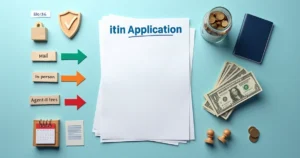
As someone who helps people build their lives in the United States, I know how uncertain it feels when you need to locate your ITIN and you’re not sure where to start. If you’re living outside the U.S., you might feel even less connected to the paperwork and agencies involved. I’ve written this guide for those searching for answers to questions like “How do I find my ITIN?” and for anyone who might be facing an ITIN issue for the first time.
Understanding the ITIN: What it is and who needs it
The ITIN, or Individual Taxpayer Identification Number, is a tax-processing number issued by the Internal Revenue Service (IRS) to non-residents, immigrants, and others who do not qualify for a Social Security Number (SSN), but still have a U.S. tax filing requirement. If you’ve ever filed U.S. taxes without work authorization or needed to open a U.S. company from abroad, you’ve probably encountered Form W-7—the application for an ITIN.
According to details on the IRS website, ITINs are only intended for tax processing. They do not grant the right to work in the United States, nor make you eligible for Social Security benefits. For many, though, having an ITIN is a first step toward building credit, declaring income, or starting a business in the U.S., even as a non-resident.
ITINs exist for tax purposes only.
In my experience, most clients at safeitin.com started their journeys not understanding exactly what an ITIN is. But once you do, answers to “how do I find my ITIN” come much quicker.
Where to find your existing ITIN
If you’ve previously received an ITIN but can’t remember or locate it, you’re not alone. These numbers are not used frequently, and often get filed away and forgotten. Here’s where you should check first:
- IRS Notices: Any previous notice or letter from the IRS regarding your ITIN will clearly display your number.
- Previous U.S. Tax Returns: Your ITIN will be written at the top of any federal tax form (like the 1040NR or 1040), usually in the space where an SSN would be.
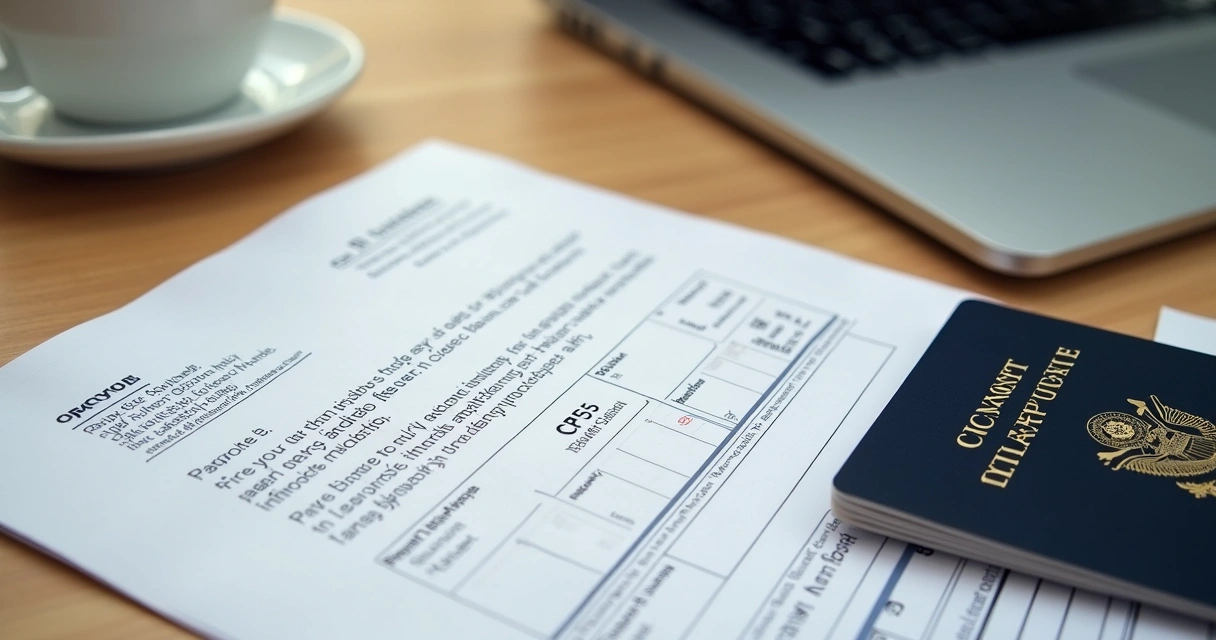
- ITIN Approval Letters: When you were granted your ITIN, you received a CP565 Notice from the IRS. This letter is official proof.
- Old correspondence or scanned records: Some people maintain electronic copies of government letters—search your email storage, cloud files, or document folders.
If you still can’t locate your ITIN after these steps, you move to retrieval options, which I’ll explain soon.
What if my ITIN is lost or forgotten?
I know from personal experience how unsettling it is to lose track of important numbers. The IRS does not allow you to search for an ITIN online directly for privacy reasons. But there are real options:
- Check all available old tax documentation and correspondence for your assigned number.
- If you have used an accountant or a registered agent (like the IRS Acceptance Agent service provided by safeitin.com), they may have a secure copy, provided you authorized storage.
- If the above do not help, you can call the IRS at 1-800-829-1040 (within the U.S.) or +1-267-941-1000 (outside the U.S.). You will need to verify your identity in detail.
The IRS will not supply your ITIN number over email or through unsecured channels, to protect your privacy and keep your sensitive tax information safe.
In some situations, such as never having received a CP565 Notice, you may actually need to apply for a new ITIN.
How to apply for an ITIN as a non-resident
If you’ve never had an ITIN, or your old one cannot be recovered, you’ll need to submit a new application. Here’s how the process works, step by step, as outlined in official guidance for applicants abroad:
- Complete IRS Form W-7: This is the standard application form. It asks for your name, address, reason for applying, and supporting documents.
- Prepare documentation: You must supply identity and foreign status evidence—most commonly, your passport. If you don’t have a passport, you’ll need to submit at least two other accepted documents, such as a national identity card, birth certificate, or driver’s license.
- Submit via mail, IRS office, or Acceptance Agent: The IRS accepts mailed applications, but many international applicants prefer to use a Certifying Acceptance Agent like safeitin.com, which can verify your documents virtually—no need to mail your passport. This is especially helpful if you live outside the U.S. and are worried about losing original identity papers in transit.
Once the IRS approves your application, you receive your ITIN in a paper letter (CP565), usually within 7-11 weeks for international mail or peak tax periods. Read more about realistic timelines for ITIN application status on official IRS tax topic pages.

The difference between ITIN and SSN
I’ve noticed some confusion between ITINs and SSNs. While both are nine-digit numbers formatted similarly, each serves a different purpose. The IRS clarifies that ITINs are strictly for tax processing and do not grant any work authorization or Social Security access. SSNs are for U.S. citizens, permanent residents, and certain temporary residents authorized to work. The ITIN’s role stops at federal tax matters—it is not for identification in other scenarios.
Checking if your ITIN has expired
ITINs do not last forever. A significant number of my clients first found their ITIN had lapsed only when the IRS rejected a return or bank application. If your ITIN has not been used on a U.S. tax return at least once in the prior three consecutive years, it typically expires.
You can check your ITIN’s status by reviewing IRS notices, especially if you have missed filing for a few years. If you are unsure, you can contact the IRS or use the expertise of an approved Acceptance Agent. If it has expired, you will need to renew before filing a new U.S. return or dealing with tax obligations.
How to renew your ITIN
ITIN renewal is straightforward but requires all the same attention to detail as the first application. In my recent research and experience helping clients at safeitin.com, this is what you need to do:
- Complete a fresh Form W-7, marking the renewal checkbox.
- Gather updated identity documents. Even though the IRS accepts copies certified by the issuing agency or certified Acceptance Agents, your passport remains the most reliable proof.
- Mail the materials as instructed or work with an Acceptance Agent to review remotely, making the process quicker and avoiding international postal risks.
To see stories of other international applicants and renewal tips, the documentation articles on our blog can be insightful.
Security and privacy with your ITIN
Your ITIN is sensitive information. It should never be shared except as required for tax reporting, bank account opening, or with verified U.S. government agencies. As explained in official IRS guidelines, ITINs should not be used as regular IDs.
When working with online services like safeitin.com, I always remind clients that all data should be exchanged securely—preferably over encrypted channels and only with authorized agents.
Never send your ITIN over unsecured email.
Dealing with common ITIN issues for non-residents
Non-residents often face a few special circumstances:
- First-time applicants: The documentation process can be confusing, especially for those living outside the U.S. I’ve found that IRS Acceptance Agents reduce anxiety and avoid mistakes.
- Renewals: When filing after a gap, check the expiration, and renew ahead of submitting your tax forms to prevent delays.
- Change of name or address: If your legal name has changed or you now use a different personal address, inform the IRS to prevent mail issues. This is particularly relevant for international applicants.
For details and real-life examples from people in North America who have managed these processes, you’ll find our blog stories practical and relatable.
The support role of Certifying Acceptance Agents
As an IRS-appointed Acceptance Agent myself, I can confirm that these professionals review your identity documentation and authenticate your identity without the need for you to mail physical passports over borders or risk document loss. The ITIN Acceptance Agent Program was updated to speed up application review, shortening average waits from about 120 days to closer to 60 days for well-prepared cases.
An Acceptance Agent can support you every step of the way, advising on correct documentation, filling out forms, and alerting you to issues before they slow your tax process. If you prefer a personalized remote experience, services like safeitin.com allow you to upload documents and connect with authorized agents from anywhere in the world—especially useful for non-residents with no U.S. postal address.
Special scenarios when searching for an ITIN
Over the years, I’ve guided people through a handful of unique “how do I find my ITIN” stories:
- Adoption cases: Sometimes a dependent’s ITIN is needed for tax credits. If you misplaced a child’s ITIN approval letter, check prior tax returns or the accountant who filed for you.
- Business owners abroad: When opening a company in the U.S. or bank accounts remotely, your ITIN will be referenced in several onboarding documents. Review correspondence from banks or business registration agents.
- Multiple filings with different addresses: If your mailing address has changed since receiving your ITIN, contact the IRS so they redirect any letters to your current address.
Archived blog entries such as personal stories with ITIN changes and frequent questions from business owners provide case studies about retrieving or updating numbers.
Real-life scenarios bring the topic to life, helping you troubleshoot how to check or recover your number, even if years have gone by since you last needed it.
Tips for easier future access to your ITIN
If you’re newly applying or recovering your ITIN now, keep your documentation safe moving forward:
- Scan and store your ITIN approval letter (CP565) in a secure digital folder.
- Record your ITIN in password-protected records, not in plain text on digital notes or email.
- Let your authorized tax advisor, like your Acceptance Agent, retain a copy if you feel comfortable.
- Keep all your ITIN-related mail in one folder (both physical and digital).
Sharing lessons like those in long-term ITIN management tips has saved many headaches.
Save your CP565 letter. Future you will thank you.
Conclusion: Your next step to finding or managing your ITIN
The steps to find, apply for, renew, or secure your ITIN as a non-resident don’t have to be stressful. With the right knowledge and a few precautions, you can safely recover or obtain your number and stay in control of your U.S. tax identity. Whether you’re starting a new business from abroad, seeking to build credit, or just trying to file your taxes smoothly, the realistic and supportive approach from a dedicated service like safeitin.com simplifies every step.
If you want clear help, no passport mailing, and IRS-certified agents to guide you online, reach out and get started with safeitin.com. Your American journey—no matter where you are—can begin today.
Frequently asked questions
What is an ITIN number for?
An ITIN (Individual Taxpayer Identification Number) is used by anyone who has tax reporting obligations in the United States but does not qualify for a Social Security Number. It allows non-residents, immigrants, and certain dependents to file taxes, claim refunds, and comply with U.S. law. According to IRS guidance, ITINs are only valid for tax purposes, not for identification outside the federal tax system.
How do I find my ITIN online?
You cannot directly look up your ITIN number on the internet due to privacy and security regulations. The safest way to locate your ITIN is by reviewing old IRS notices, your prior U.S. tax returns, or the original ITIN approval letter (CP565). If you can’t find these, you can contact the IRS by phone for support after identity verification.
Can I recover a lost ITIN?
Yes, a lost ITIN can be recovered. Start by checking any paperwork connected to your U.S. tax filings or correspondence from the IRS. If you cannot find any records, contact the IRS directly by phone: from outside the U.S. at +1-267-941-1000. They may require identity documents and security checks to confirm your request.
Where can I check my ITIN status?
You can check the status of your ITIN by calling the IRS or by referring to any recent correspondence from them, especially if you have recently applied or renewed your ITIN. Applicants typically receive updates by mail, such as the CP565 Notice (approval) or requests for more documents. Tracking status online is not supported for privacy reasons.
How long does it take to get an ITIN?
The standard timeframe for receiving an ITIN is about seven weeks from submission, but can extend to eleven weeks during high-traffic periods or when applying from outside the U.S. For properly submitted applications through an IRS Acceptance Agent, the wait may be closer to 60 days according to ITIN Acceptance Agent Program updates. Allow extra time if your documents require additional review.