I have seen many non-resident founders get stuck at the same point. They form a U.S. company, get excited about sales, then hit a wall when a bank, a tax form, or a licensing office asks for a taxpayer number. That is where the ITIN often enters the picture.
An ITIN is a tax processing number issued by the IRS to people who need a U.S. taxpayer ID but do not qualify for a Social Security Number.
According to the official IRS explanation of the ITIN, it is used for federal tax reporting, not for immigration status, work permission, or Social Security benefits. I think that one sentence clears up half the confusion around this topic.
Why an ITIN matters for non-resident business owners
If I were starting a U.S. business from abroad, I would want to solve tax identification early. A foreign owner may need a personal tax ID for tax filings, ownership records, banking requests, and some compliance steps tied to the company.
This is where people often search for an itin for business use. In real life, that usually means using your ITIN as the personal taxpayer number connected to your role as owner, member, or shareholder of a U.S. business.
Business starts faster when paperwork is ready.
In my experience, an ITIN can help with situations such as:
-
Filing U.S. tax returns when you have a filing duty as a foreign owner.
-
Supporting identity checks when opening certain business bank accounts.
-
Completing ownership and tax forms requested by accountants or financial partners.
-
Keeping your personal tax records in order while your company operates in the U.S.
For readers who are still deciding on the structure of the company, I like the way safeitin.com connects the tax side with company formation, especially for people outside the U.S. A practical example is this guide on starting a U.S. business as a non-resident with an LLC and ITIN.
ITIN and EIN are not the same
This is the part I always slow down for, because mixing these two numbers causes delays.
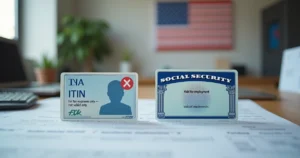
An ITIN identifies a person for tax purposes, while an EIN identifies a business entity for tax and reporting purposes.
The IRS also explains this clearly in its overview of taxpayer identification numbers and in the IRS guide to Employer Identification Numbers.
If you own a U.S. LLC or corporation, your company will often need an EIN. If you, as the foreign owner, also have a personal U.S. filing duty, you may need an ITIN too. One does not replace the other.
I usually explain it like this:
-
Your ITIN belongs to you as an individual.
-
Your EIN belongs to your business.
-
Some business setups need both numbers.
An ITIN does not replace an EIN for company tax filings, payroll, or entity-level reporting.
How to get an ITIN step by step
When I researched the process, I found that the path is more manageable once broken into parts. The IRS lays out the basics in its ITIN application FAQs.
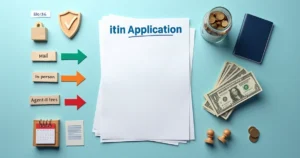
Most applicants will go through these steps:
-
Complete Form W-7.
-
Choose the correct reason for applying.
-
Gather identity and foreign-status documents.
-
Include the required tax documentation, often a federal tax return unless an exception applies.
-
Submit through an approved route.
The supporting documents matter a lot. In many cases, a passport is the main document because it can prove both identity and foreign status. Other documents may be accepted, but the IRS rules are specific.
Common items can include:
-
A completed Form W-7
-
A valid passport or other accepted documents
-
A federal tax return, when required
-
Documents tied to an exception, if you qualify for one
If you want a practical walkthrough, I suggest reading this plain-language resource on how to get and use your ITIN. I like that it connects the form process with actual business goals instead of treating the number as paperwork in isolation.

Can you get an ITIN without mailing your passport?
Yes, and for many people abroad, this is the turning point.
You may be able to apply without sending your physical passport by working with an authorized certifying process instead of mailing original documents yourself.
I know why this matters. Sending a passport across borders can feel risky and stressful. It can also interrupt travel plans. That is why many applicants prefer a route that avoids mailing the physical document.
For people looking for a remote path, safeitin.com focuses on exactly this pain point. Their information on getting an ITIN number online and the step-by-step notes in the online ITIN filing guide make the process easier to understand.
Working with an authorized agent can help because the review is guided, document handling is clearer, and mistakes on Form W-7 are less likely. I think this is one of the smartest ways to reduce delay if you are outside the U.S.
How an ITIN helps your business operations
An ITIN is not a business license, and it is not a magic key. Still, it can support several parts of business life in the U.S. when paired with the right company structure and tax setup.
Here is where I usually see the benefit.
Banking
Some banks ask foreign owners for a personal taxpayer identification number as part of due diligence. That does not mean the ITIN replaces the company EIN. It means your personal tax ID may help complete the ownership side of the review.
An ITIN can support business bank account opening when a bank requests a personal U.S. tax identification number from the owner.
Licenses and registrations
State or local requirements vary, but ownership records, tax registrations, and related forms may involve the owner’s identifying details. I have seen cases where having the personal tax number ready makes those steps smoother.
Business credit building
Business credit is usually tied to the company, not only the owner. Still, when lenders, card issuers, or banks review the people behind the company, an ITIN can help complete identity and tax sections in the application process. It supports the setup. It does not guarantee approval.
Clear identity helps trust move faster.

What an ITIN does not do
I always like to say this directly, because false expectations can create bigger problems later.
An ITIN does not give work authorization in the United States.
The same point appears in the discussion about whether you can work with an ITIN, and it matches the IRS position. It also does not grant immigration status, and it does not replace a Social Security Number.
Another misunderstanding is that a foreign founder can ignore U.S. tax rules after getting an ITIN. That is not how it works. The number is part of compliance, not a substitute for it.
Tax duties for foreign-owned U.S. businesses
I have noticed that many first-time owners focus on formation first and taxes later. That can be expensive. A U.S. business owned by a foreign person may have filing duties even if the company had little activity.
The IRS tax guide for aliens in Publication 519 gives broader guidance on nonresident tax duties. The exact filing pattern depends on the business type, income source, treaty position, and whether the company is disregarded, a partnership, or a corporation.
That is why early planning helps. You may need:
-
An EIN for the business
-
An ITIN for the foreign owner
-
Federal filings tied to the entity or the individual
-
State filings, depending on where the company is registered or active
I think this is one of the strongest reasons to get your tax identification handled before your first compliance deadline arrives.
Why getting the ITIN early makes life easier
When I look at the full path of starting a U.S. company from abroad, I see a pattern. The owners who prepare early usually face fewer interruptions. The owners who wait until the bank asks, or until tax season starts, often feel rushed.
Getting your ITIN early can reduce delays in banking, tax filing, and owner verification during U.S. business setup.
If you are abroad, remote support can make a big difference. That is one reason safeitin.com speaks to this audience so well. The process is built around people who want to handle U.S. tax ID matters online, with guidance, and without making the journey harder than it needs to be.
Conclusion
I see the ITIN as a practical tool for foreign entrepreneurs, not as a substitute for a full business setup. It helps you meet personal U.S. tax identification needs, supports many banking and compliance steps, and fits into a wider plan that may also include an EIN, company formation, and ongoing tax filings.
If your goal is to build a U.S. business from outside the country, I believe it is wise to sort out this part early. If you want a remote path with guidance from an authorized process, get to know safeitin.com and start your ITIN journey with a solution built for non-residents.
Frequently asked questions
What is an ITIN for business use?
An ITIN for business use is an Individual Taxpayer Identification Number used by a business owner in a personal tax capacity. It helps a non-resident or other eligible person meet U.S. tax reporting needs connected to owning or running a U.S. company. It belongs to the individual, not to the business entity.
How do I apply for an ITIN?
You apply by completing Form W-7, gathering proof of identity and foreign status, and submitting the application with any required tax documents. In many cases, a federal tax return is included unless an IRS exception applies. Many applicants choose an authorized guided process to avoid errors and, in some cases, avoid mailing a physical passport.
Can I open a business with an ITIN?
Yes, in many cases you can open or own a U.S. business with an ITIN, especially as a non-resident. Still, the company itself often also needs an EIN. The ITIN helps identify you as the owner for tax and compliance purposes, while the EIN identifies the business.
Is an ITIN better than an EIN?
No. They serve different purposes. An ITIN is for an individual who needs a U.S. tax ID but cannot get a Social Security Number. An EIN is for the business entity. One is not better than the other. Many foreign-owned businesses need both.
What businesses need an ITIN?
The business itself does not get an ITIN. The owner does. A foreign-owned LLC, corporation, or partnership may involve an owner who needs an ITIN for personal U.S. tax filing or related compliance. Whether you need one depends on your tax role, ownership structure, and filing duties.